Governance Intelligence
A new architecture for organisations capable of reasoning, learning and adapting — while remaining accountable to human authority.
Discover the idea
21CHG
Intelligence is changing what organisations can know and do. Governance must ensure they remain worthy of trust.
Explore our thinking01 / Proposition
Governance is not simply a system of oversight. It is a moral craft: the practical work of holding purpose, power and judgement together. As intelligence becomes pervasive, that work becomes more important — not less.
Four expressions, one body of work
A new architecture for organisations capable of reasoning, learning and adapting — while remaining accountable to human authority.
Discover the ideaExperienced counsel for boards and leaders confronting difficult questions of purpose, governance and institutional change.
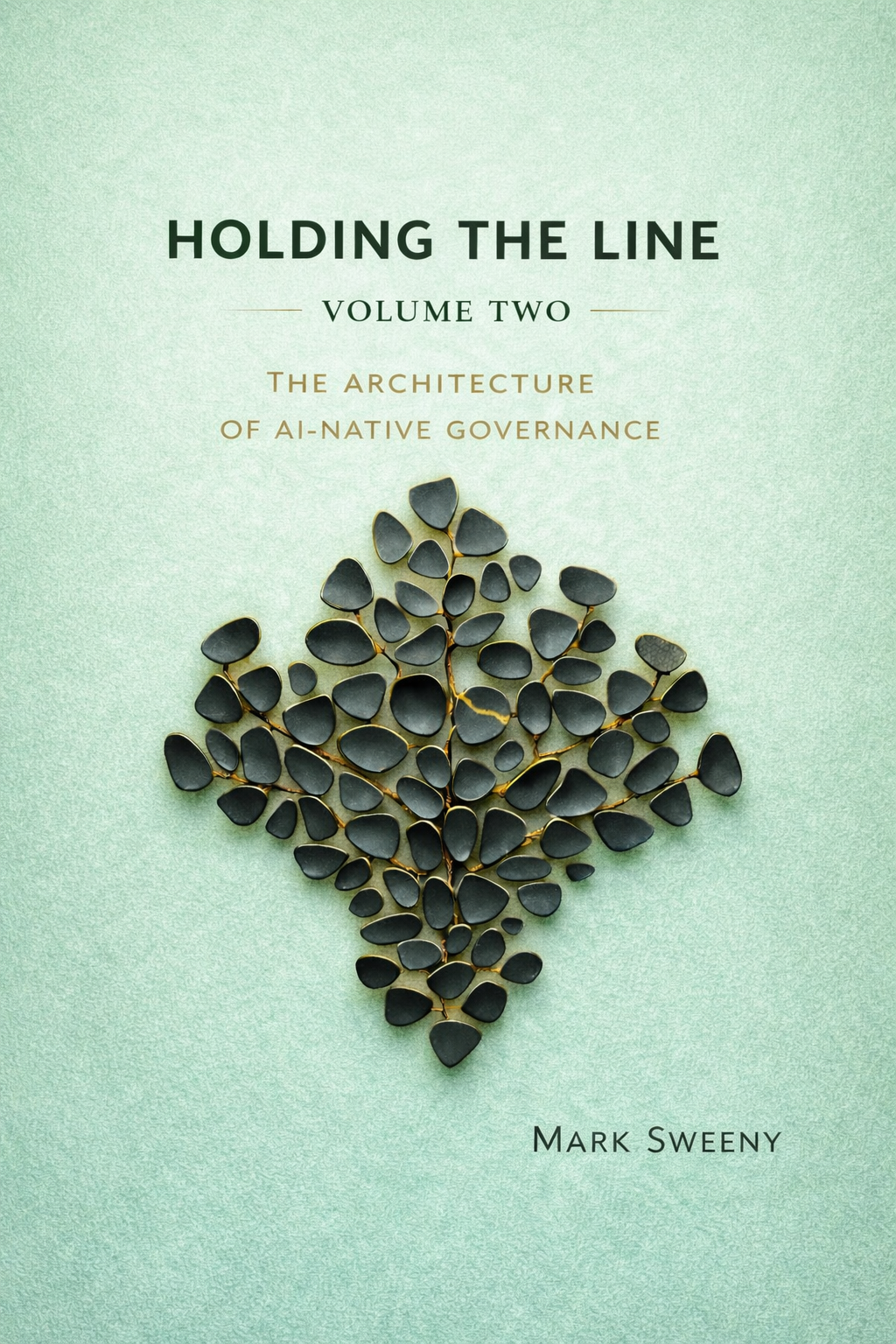
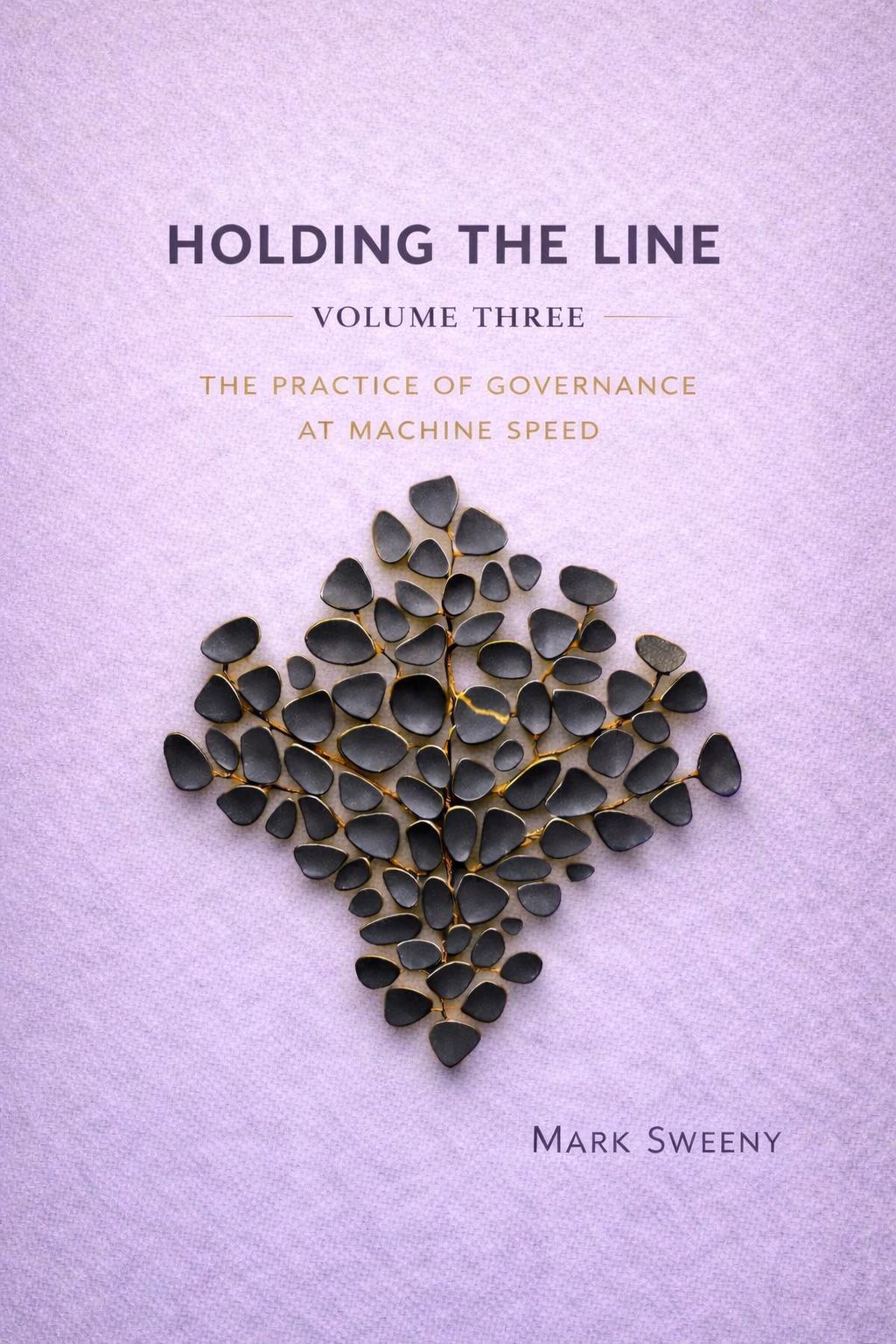
How we helpHolding the Line develops the philosophy, architecture and practice of governance for an age of machine intelligence.
Explore the series21CHG is the home of Mark Sweeny’s work on governance, institutional design and artificial intelligence.
Meet 21CHGThe intellectual spine
Three volumes. One argument: organisations may become more intelligent without becoming more wise — unless governance is deliberately designed to prevent it.
Explore the books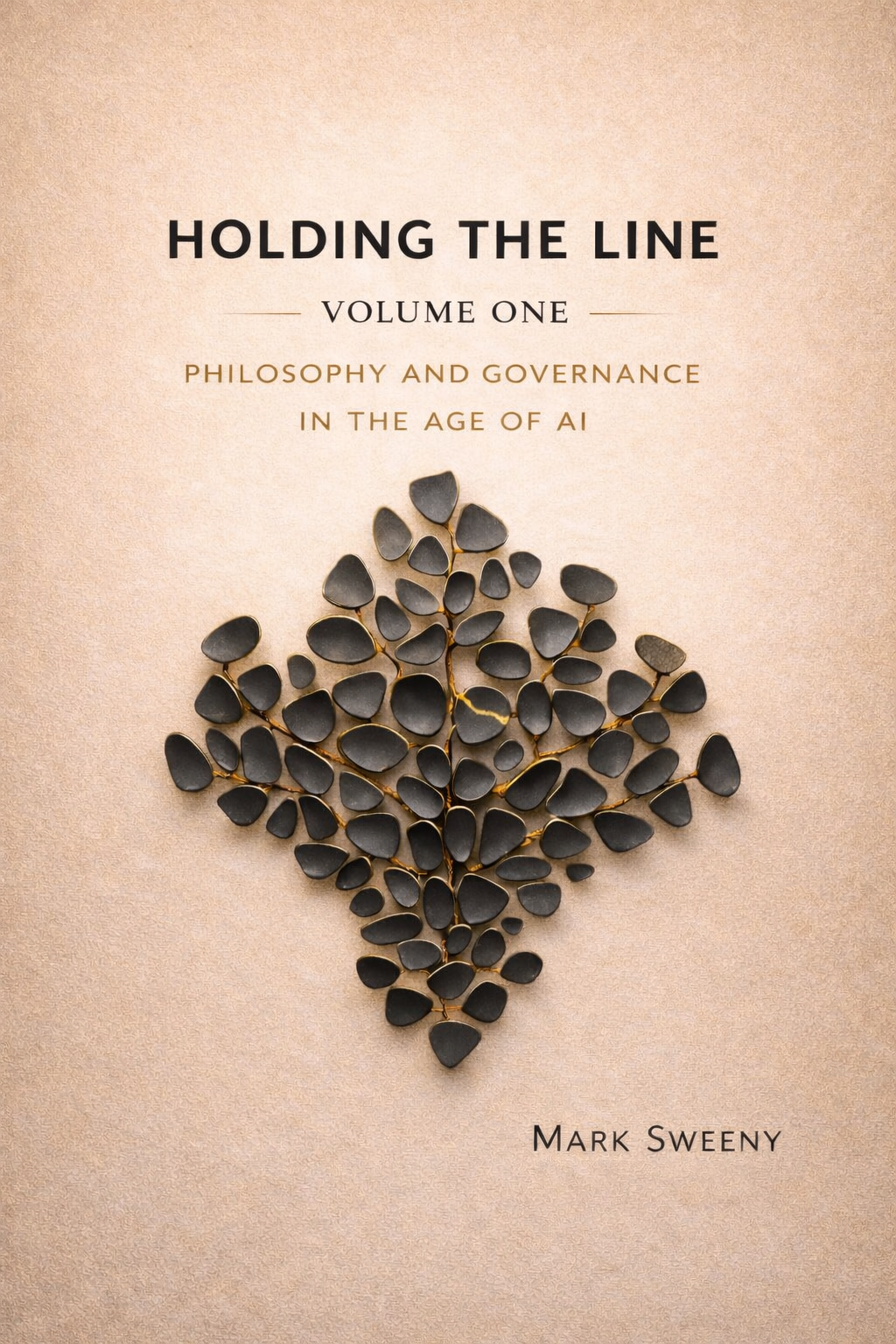
Current thinking
Short essays and working ideas from the evolving practice of governance.
Most writing treats AI as the subject of governance. The more interesting question begins when intelligence enters its architecture.
Machines may extend institutional intelligence. They cannot inherit responsibility for what an institution chooses to become.
Annual policies and periodic assurance are not enough for organisations whose operating reality changes continuously.